

Beginner aquarium plants – picture an aquarium bursting with life. Fish dart through lush green leaves, sunlight dances gently on the water’s surface, and you feel like you’ve crafted a tiny underwater paradise. Sounds like a dream? It’s not as hard as you think! Plants in a freshwater aquarium aren’t just gorgeous decor-they’re the key to a thriving ecosystem. If you’re to the world of aquascapers, this guide will walk you through the world of aquarium plants step by step. No stress, no jargon-just practical tips and a sprinkle of inspiration to get you started.
Why add plants to your aquarium? #
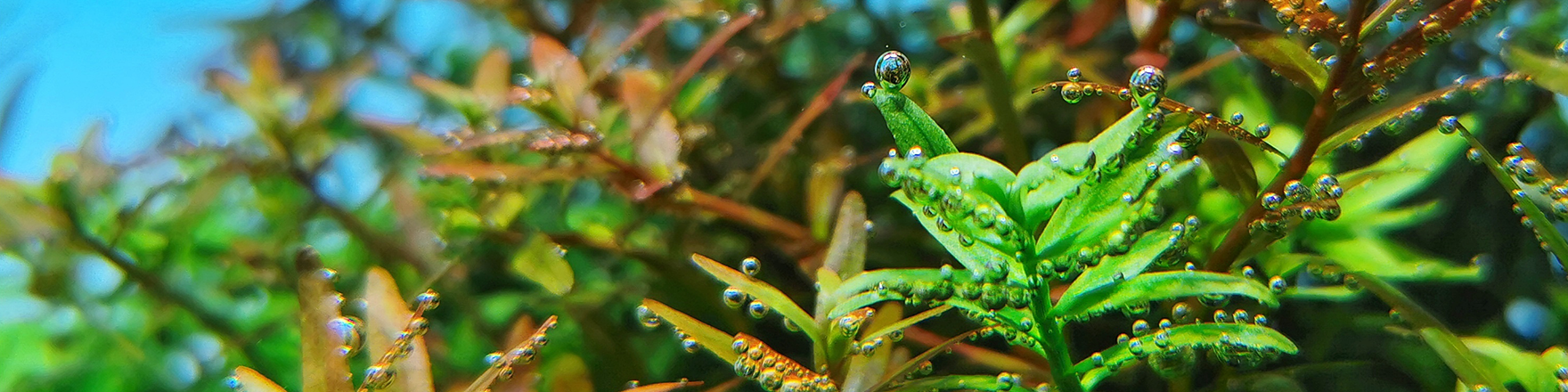
Let’s start with the basics. Aquarium plants are more than just eye candy. Think of them as tiny green superheroes working hard to keep your tank running smoothly. First, they produce oxygen, which your fish need to thrive. Second, they absorb harmful substances like ammonia and nitrates that can pollute the water. Third, they provide shelter for your fish, making them feel safe. And let’s be honest-they look absolutely stunning!
Best aquatic plants for beginners #
Not all plants are beginner-friendly, so choosing the right ones is key. Some are like divas, demanding perfect lighting, fancy fertilizers, and constant attention. But don’t worry: plenty of plants are forgiving, low maintenance and practically grow themselves. Here are some top picks for beginner-friendly freshwater aquarium plants:
1. Anubias (Anubias barteri) #
Anubias is practically indestructible. Its thick, dark green leaves look like they belong in a magazine, and it’s slow growing, so you won’t be trimming a jungle every week. You can attach it to driftwood or rocks (using fishing line or aquarium-safe glue), and it’ll happily do its thing. It doesn’t need much light, making it perfect for basic setups without high-end lamps.
Pro tip: Anubias rhizome (the thick, green “stem” where leaves grow) should not be planted in the substrate, because it can rot. Keep it exposed or tie it to decor instead.
2. Amazon Sword (Echinodorus grisebachii) #
The Amazon sword looks like a small underwater bush. Its bright green leaves add a fresh vibe to your tank, it’s undemanding and super easy to care for. Its roots need to be planted in the substrate (like gravel or sand), and you’re good to go. It thrives in moderate lighting and does well in most aquariums. With enough light, it might even bloom underwater-what a sight!
3. Waterweed (Elodea canadensis) #
Waterweed is perfect for those who want quick results. It’s easy to keep and grows like crazy, forming dense, green clumps. You don’t even need to plant it-just toss it in – it’s a floater! It’s great for fish like neons or guppies that love hiding spots. Plus, waterweed sucks up nitrates, helping keep your water clean.
Note: Waterweed can take over if left unchecked. Trim it regularly-it’s an easy task, just snip off the excess.
4. Cryptocoryne (Cryptocoryne) #
Cryptocorynes have beautiful, broad leaves that add elegance to your tank. They’re easy to grow, though they can be a bit dramatic after planting (a phase called “crypt melt” where leaves drop). Don’t worry-new leaves will grow back fast. Plant them in the substrate, and they’ll thrive with minimal light, making them ideal for beginners.
5. Hornwort (Ceratophyllum demersum) #
Hornwort is another beginner’s ally. It looks like a delicate, feathery Christmas tree floating in the water. You can let it drift freely or lightly anchor it to the substrate. It grows fast, absorbs pollutants, and gives fish a fun place to play. It’s perfect for creating a wild, underwater meadow vibe.
Pro Tip: Hornwort may shed its needle-like leaves, which is normal. Just scoop them out to avoid clogging your filter.
6. Java Moss (Vesicularia dubyana) #
Java moss is a beginner’s dream. It looks like a soft, green carpet you can attach to rocks, driftwood, or decorations. It grows in almost any condition (even low light) and is low-maintenance. Fish like shrimp and small neons love exploring it-it’s like an underwater playground!
Pro Tip: Use thin fishing line or a mesh to secure java moss to decor. In a few weeks, it’ll “stick” on its own for a natural look.

How to plant aquarium plants #
Planting aquarium plants is like gardening underwater-it takes a bit of finesse but isn’t rocket science. Here’s how to do it right:
- Prepare the substrate: Most plants need a substrate to root in, like gravel, sand, or specialized aquarium soil. For gravel, ensure it’s at least 4-5 cm deep so roots can spread.
- Planting step by step: Take your plant, gently remove any leftover foam or wool from the roots (common in store packaging). Dig a small hole in the substrate, place the roots in, and lightly cover. Don’t force it-roots are delicate.
- Floating plants: Plants like waterweed don’t need planting. Just toss them in and let them float.
- Decorations: For plants like anubias that grow on driftwood or rocks, secure them with fishing line or aquarium-safe glue. They’ll anchor themselves in a few weeks.
Beginner aquarium plants – How to care for freshwater aquarium plants #
Caring for aquarium plants isn’t complicated, but it does require some basics. Think of your tank as a mini garden-plants need light, nutrients, and clean water to thrive.
Lighting #
Plants need light for photosynthesis. For beginners, a simple LED lamp with 0.5-1 watt per liter of water works fine. For a 50-liter tank, a 25-50 watt lamp is enough. Keep the light on for 8-10 hours daily-use a timer to stay consistent.
Fertilizers #
Plants need nutrients like nitrogen, phosphorus, and potassium. Fish waste provides some of these naturally (yes, really!). But for heavy plant setups, add a liquid aquarium fertilizer-easy to dose and widely available. Always follow the instructions to avoid harming your fish.
Check out our offer of supplements and retilizers here.
Trimming #
Fast growers like waterweed or hornwort can take over if not trimmed. Use sharp aquarium scissors to avoid damaging stems. Bonus: you can replant trimmed pieces to grow new plants.
Water Parameters #
Plants like stable conditions. Keep water temperature between 72-82°F (22-28°C) and pH between 6.5-7.5 for most plants. Change 10% of the water weekly to remove excess pollutants.
Beginner aquarium plants – Common mistakes #
Every new aquarist makes mistakes-it’s part of the journey! Here are some common pitfalls and how to dodge them:
- Too much light: More light doesn’t always mean better plants. Excessive light can cause algae to coat your plants like a green carpet. Start with moderate lighting and adjust based on how plants respond.
- Improper planting: Burying anubias in the substrate or planting waterweed are classic errors. Check each plant’s needs before starting.
- Lack of patience: Plants need time to settle in. If cryptocoryne leaves melt, don’t panic-new growth will appear in a few weeks.
- Poor stock selection: Some fish species eat delicate plants. Keep this in mind when planning your tank. You can also choose plants with tough leaves that won’t attract the fish (e.g., Anubias).

Beginner aquarium plants: How plants help maintain your aquarium #
Aquarium plants are multitasking champs. They don’t just look pretty-they support the entire ecosystem. Imagine your tank as a city, with plants acting as parks, water treatment plants, and oxygen factories all in one. Here’s what they do:
- Improve Water Quality: They absorb nitrates, ammonia, and other harmful substances, keeping water safe for fish.
- Provide Shelter: Shy fish love hiding among leaves-it’s their private retreat.
- Prevent Algae: Plants compete with algae for nutrients, so more plants mean fewer algae issues.
- Create a Natural Look: A planted tank looks like a slice of an underwater forest-simply breathtaking!
Inspiration to start: setting up a planted aquarium #
If you’re just starting, you don’t need to build an underwater jungle right away. Begin with a small tank (30-60 liters) and a few easy plants like anubias, Amazon sword, or waterweed. Add a basic LED light, some gravel, and a piece of driftwood for decor. Toss in a few fish like guppies or neons that get along with plants. As you gain confidence, you can experiment with trickier species like glossostigma for a carpet effect.
Wrap-up: plants are the key to a stunning aquarium #
Aquarium plants aren’t just about aesthetics – they provide better environment and have positive impact on the water. Start with beginner-friendly options like anubias, Amazon sword, or waterweed, provide basic lighting and nutrients, and watch your tank transform into an underwater garden. Don’t be afraid to experiment, but take it slow-each plant has its quirks, and you’ll learn to understand them over time. As you progress with aquascaping, it’s worth looking at plants like: vallisneria, bacopa, sagittaria subulata (especially for the foreground!), ludwigia repens (beautiful red plant) or java fern.
Ready for your green adventure? Grab some tweezers, pick your first plants, and start building an aquarium you’ll be proud of. Got questions? Drop them below-our experts are happy to help!
Check out the aquarium run on our products here.