
Introduction #
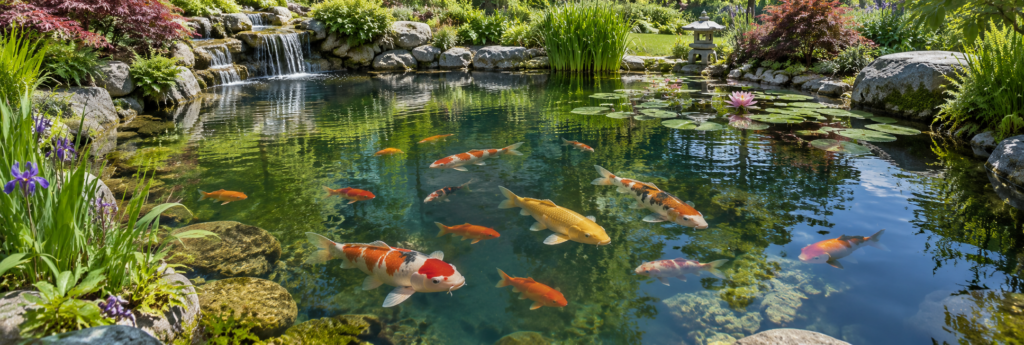
Spring is the time when a pond begins to function intensively again. As temperatures rise, biological processes restart, fish metabolism speeds up, and accumulated organic matter from winter begins to decompose in the water. If the pond is not properly prepared during this period, problems can quickly arise, such as cloudy water, algae growth, and a decline in fish health. A proper start to the season does not require complicated actions. The key is to address a few essential elements: removing excess debris, restarting filtration, checking water parameters, and rebuilding the pond’s biological balance. A pond is a small, closed ecosystem, so its stability depends on the interaction of multiple processes — filtration, nitrifying bacteria, aquatic plants, and proper water chemistry.
The checklist below shows how to prepare your pond for the new season step by step.
Step 1. Removing debris after winter #
The first stage of spring maintenance is cleaning the pond of organic matter. During winter, fallen leaves, plant debris, and other small impurities accumulate in the water, gradually sinking to the bottom and forming a layer of sludge. As temperatures rise, their decomposition accelerates. This process produces, among other things, ammonia a compound highly toxic to fish. That’s why removing excess sediment early makes it much easier to maintain stable conditions in the pond.
At the beginning of the season, it’s worth carrying out a few simple tasks:
- remove larger debris from the water surface using a net
- trim dead parts of aquatic plants
- check the bottom of the pond and remove excess sediment if necessary
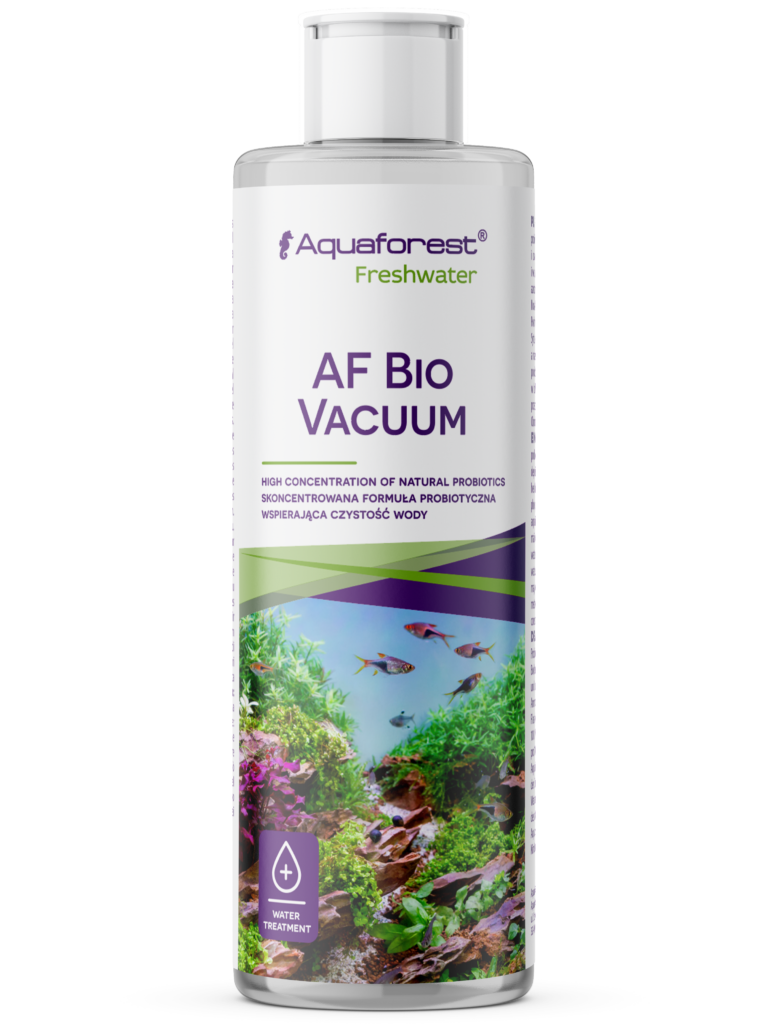
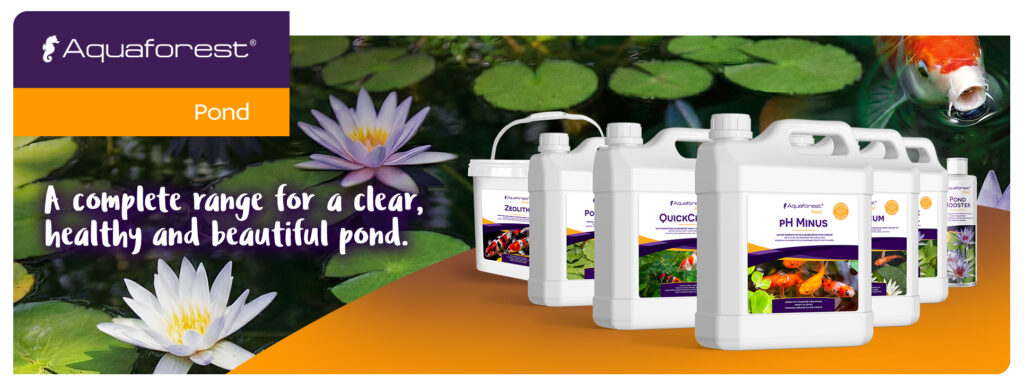
If a significant amount of sludge has accumulated in the pond, biological treatments that support its breakdown can be helpful. The microorganisms in these products mineralize organic matter, reducing decay processes and improving water oxygenation. Aquaforest Bio Vacuum helps reduce bottom sediment and break down plant debris and fish waste, keeping the pond cleaner. Regularly limiting the amount of organic matter lowers the biological load on the water and makes it easier to maintain long-term stability.
Step 2. Checking and restarting filtration #
The filtration system is responsible for maintaining biological balance in the pond. After winter, its components often require inspection and cleaning. First, check the pump, hoses, and filter chambers. Accumulated debris can restrict water flow and reduce filtration efficiency. It’s best to rinse filter media in pond water—this helps preserve beneficial bacteria.
During the spring startup, it’s worth paying attention to three key elements:
- proper flow through the filtration system,
- condition of the biological media
- pump performance
Adsorptive media can also be used in the filter to help remove harmful substances from the water. Natural filtration materials such as Aquaforest Zeolith and Aquaforest Carbon bind ammonia, heavy metals, and other chemical impurities, improving water clarity and quality. Efficient filtration is the foundation of a stable pond, so it’s worth taking the time to prepare it properly before the season begins.
Step 3. Water testing and parameter control #
After restarting the filtration, it’s worth checking the basic water parameters. This helps determine whether the pond is ready for the next stages of preparation.
The most important parameters to check in spring are:
- pH,
- ammonia (NH₃/NH₄)
- nitrites (NO₂)
- phosphates (PO₄)
After winter, levels of nitrogen and phosphorus compounds are often elevated because organic matter accumulates in bottom sediments. As it decomposes, it releases nutrients into the water that can promote algae growth. High pH further increases the toxicity of ammonia, so monitoring water pH has a direct impact on fish safety. Stable water parameters create good conditions for bacteria, plants, and all pond life. Regular testing helps detect potential issues early and prevent problems before they become visible.
Step 4. Rebuilding the pond’s biological balance #
One of the most important processes in a pond is the nitrogen cycle. Nitrifying bacteria convert toxic ammonia into nitrites, and then into much less harmful nitrates, keeping the water safe for fish. After winter, the population of these bacteria is usually significantly reduced. Their activity drops in low temperatures, so in spring they need time to rebuild. For this reason, using products containing nitrifying bacteria, such as Aquaforest Bio Starter, is a good solution. These types of products accelerate the restoration of the pond’s biological balance and help establish a stable nitrogen cycle more quickly. The bacteria convert ammonia and nitrites into less harmful nitrates, stabilizing water parameters and reducing the risk of algae blooms.It’s worth noting that bacteria develop best at temperatures above around 8°C (46°F). Only then do biological processes begin to operate at full efficiency.
Step 5. Aquatic plants – trimming and fertilization #
Aquatic plants play an important biological role in the pond. They absorb nutrients from the water that would otherwise be used by algae.
In spring, it’s worth:
- remove dead or damaged parts of plants
- divide overgrown plant clumps
- check the condition of plant baskets and substrate
Well-growing plants help stabilize the aquatic environment, improve oxygenation, and increase competition against algae. In many ponds, supplementing microelements is also beneficial, especially when the water is low in minerals. Mineral products designed for ponds, such as Aquaforest Pond Booster, provide essential elements like iron, potassium, and manganese, supporting plant growth and coloration. However, it’s important to choose fertilizers that do not contain nitrogen or phosphorus, as these can promote algae growth.
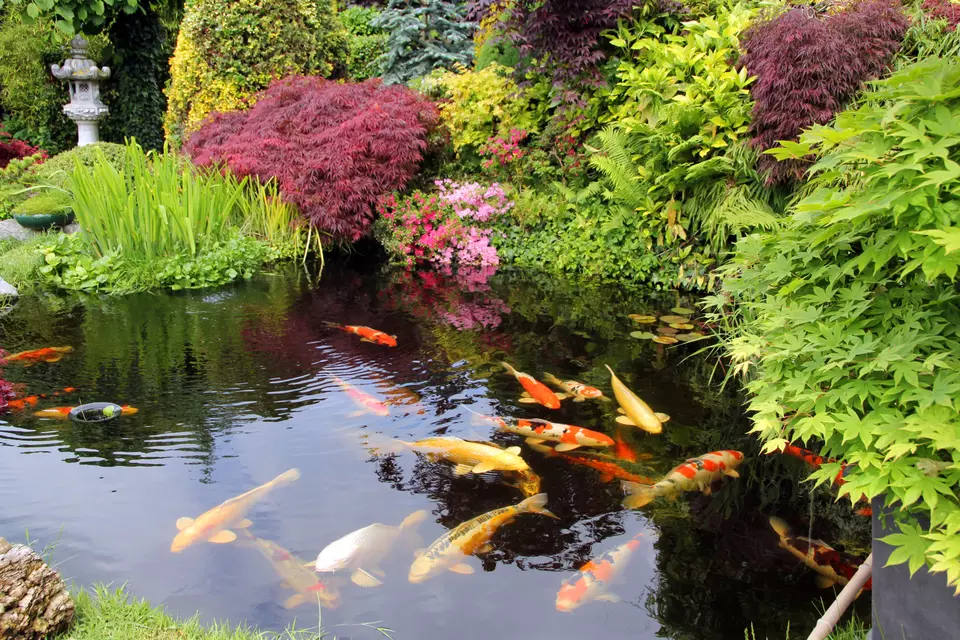
Step 6. Gradual feeding and fish observation #
Fish that overwinter in the pond spend the colder months in a state of slowed metabolism. As temperatures rise, their activity gradually increases.
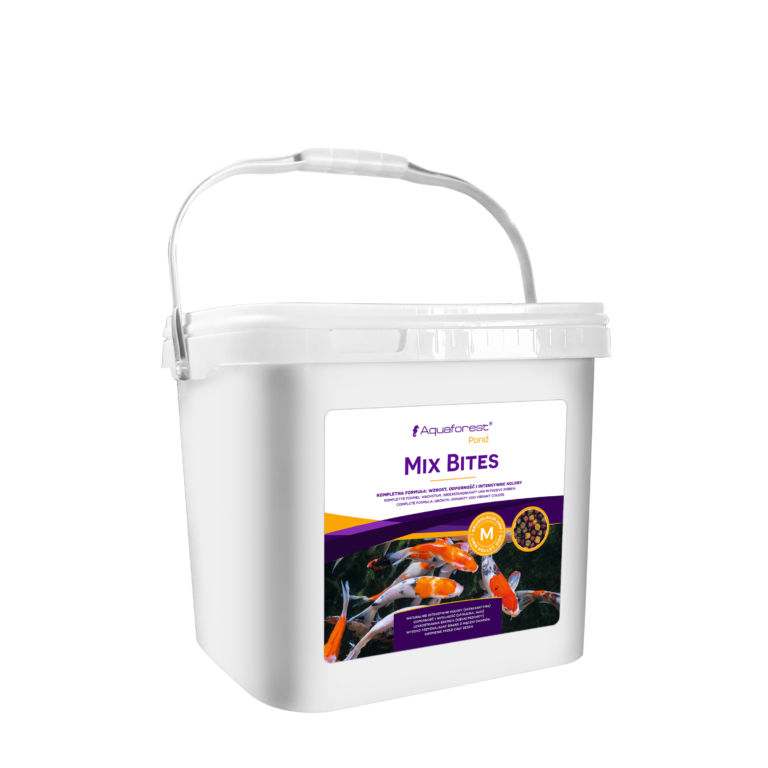
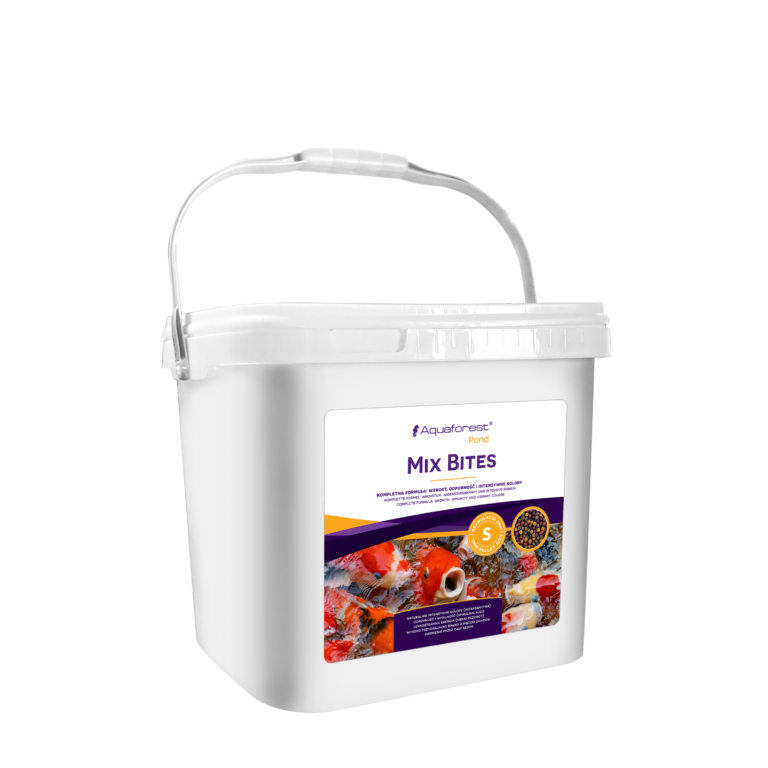
Feeding should begin only when the water temperature consistently exceeds around 8–10°C (46–50°F). At first, it’s best to offer small portions of easily digestible food and observe the fish’s behavior.
During this period, it is especially important to:
- control the amount of food being given
- monitor the condition of the fish
- maintain good water circulation and oxygenation
Excess food quickly decomposes in the water, increasing nitrogen levels and the biological load on the pond. Moderate feeding helps maintain stable water parameters during the first weeks of the season.
Summary #
A successful start to the pond season is based on a few simple steps carried out in the right order. Removing debris, preparing filtration, monitoring water parameters, and rebuilding biological balance form the foundation of a stable pond.
Spring maintenance doesn’t have to be time consuming in practice, just a few well-planned steps are enough:
- clean the pond of accumulated debris
- check filtration and water circulation
- perform basic water parameter tests
- support the growth of nitrifying bacteria
- take care of aquatic plants and observe the fish
A properly prepared pond reaches biological balance more quickly. The water stays clear, plants grow healthily, and fish thrive in a stable and safe environment. These first weeks of the season largely determine how the pond will look in the months to come.