
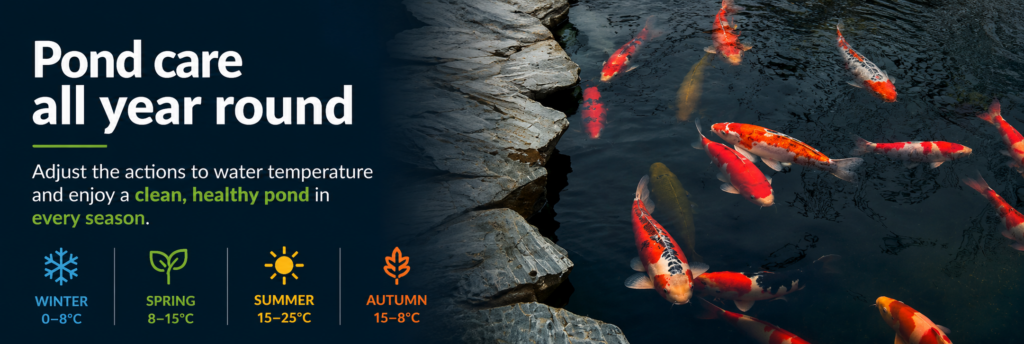
Garden pond is more than just an attractive element of a garden – it is a living, changing ecosystem in which every season looks different. As the temperature rises or falls, the activity of fish, the rate at which bacteria work, plant growth, and the risk of algae appearing also change. Therefore, pond maintenance should be adapted not only to the season, but above all to the water temperature. A well-maintained pond therefore requires regular observation: whether the water remains clear, whether too much sediment is accumulating on the bottom, whether the fish are feeding normally, and whether the plants are beginning to die. Such signals help to assess more quickly what the pond needs at a given moment — cleaning, biological support, reduction of nutrients, or simply peace and stability.
Building A Small Pond Ecosystem Step By Step #
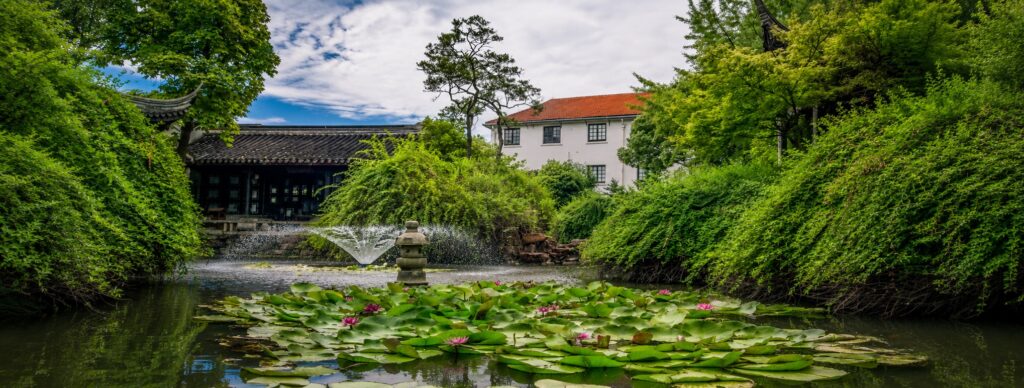
Even at the planning stage, it is worth remembering that pond construction and subsequent maintenance are closely connected. The size of the pond, a properly prepared basin, and the location where the pond is built are all important factors. A small pond or backyard pond will function differently from larger water ponds with plants, fish, and extensive filtration. Elements such as a pond liner, rocks and gravel, water flow, and the shape of the bottom of the pond can all influence the pond’s ecosystem and its long-term stability.
Garden Pond #
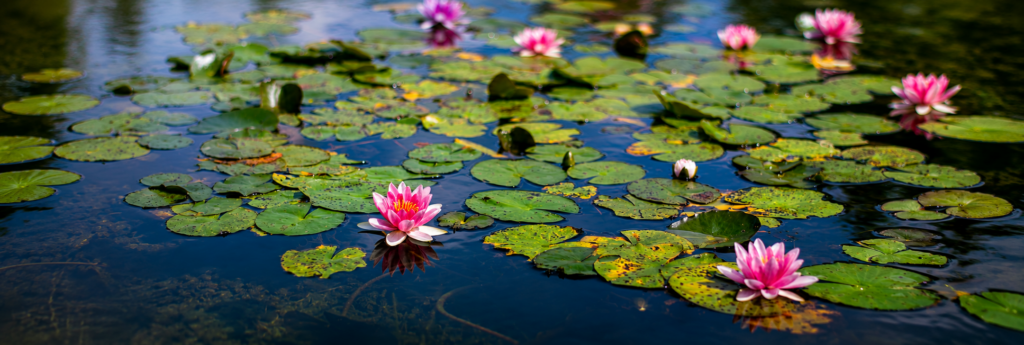
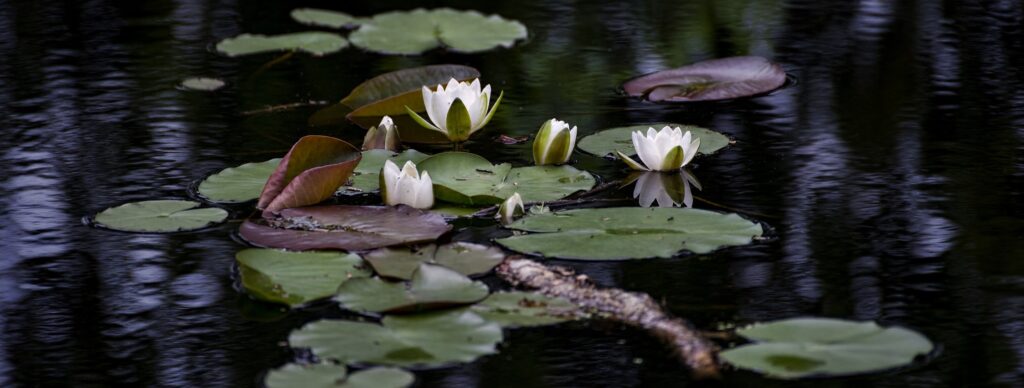
A small garden pond serves an aesthetic purpose, but it should not be treated solely as a decorative water feature. It is a habitat for aquatic plants, small animals, aquatic insects, and other living organisms, where water movement, proper water purification, oxygen levels, and maintaining biological balance are essential. Plants also play an important role in the pond’s ecosystem. It is worth choosing species suited to the depth and nature of the pond, such as water lilies, floating plants, duckweed, or species planted around the pond margins. Thanks to them, the pond gains a natural appearance, supports biodiversity, improves the microclimate, and becomes a more functional and balanced ecosystem.
Maintaining Water Quality and Biological Balance #
For this reason, pond maintenance should not be based solely on the calendar. It is far more important to observe the temperature and understand what is happening in the pond water at a given moment. Temperature determines fish metabolism, the activity of nitrifying bacteria, the rate of organic matter decomposition, oxygen levels, and the risk of algae outbreaks.
In this article, we will guide you through a full year of pond maintenance — from winter dormancy, through the spring start-up of biological processes and the intensive season, to autumn preparations for winter. We will explain the processes taking place in the pond’s ecosystem at each stage, the problems that may arise, and how to choose the right actions and products to maintain clean water, stable filtration, and a healthy pond throughout the year.
Why Is Water Temperature So Important? #
Maintenance should be planned primarily according to water temperature rather than the season itself. Temperature determines how intensively the entire pond ecosystem functions: fish feed differently, filtration bacteria work with varying efficiency, and organic matter decomposes faster or slower.
When the water is cold, life in the pond slows down significantly. Fish reduce their activity, their metabolism decreases, and nitrifying bacteria work very slowly. At such times, stability is the most important factor — excessive cleaning, parameter adjustments, or unnecessary feeding may do more harm than good and disturb a balanced ecosystem.
As temperatures rise, the pond begins to “wake up” biologically. Decomposing bottom sediments can release ammonia and nitrites into the water, while nitrifying bacterial strains and beneficial bacteria are only beginning to regain their activity. This is why supporting biological processes, reducing sediment, and cautiously introducing feeding are so important in spring.
In summer, at higher temperatures, the pond functions at its most intensive level. Fish are active, plants grow rapidly, photosynthesis increases, and natural filtration operates at full capacity. At the same time, the risk of algae blooms, cloudy water, and overloading the system with excess nutrients increases.
For this reason, water temperature is the best point of reference when choosing maintenance actions. It helps determine whether the pond primarily needs stability, biological activation, algae control, or preparation for winter dormancy, supporting a healthy ecosystem throughout the year.
Winter (0–8°C): Biological Dormancy #
When the water temperature falls below approximately 8°C, a garden pond enters a state of biological dormancy. This is a period during which most processes slow down significantly. Fish become less active, their metabolism is very low, and their need for food drops almost to zero. Filtration bacteria also operate to a limited extent, which is why the nitrogen cycle functions much more slowly than during the warmer months. As a result, the pond’s ecosystem becomes less active, dissolved oxygen levels may fluctuate, and the breakdown of organic matter at the bottom of the pond occurs much more slowly than in a healthy ecosystem during the growing season.
The Most Important Things During Winter #
In winter, the stability of the aquatic ecosystem is the top priority. During this period, it is not advisable to make sudden parameter adjustments or intensively disturb the pond bottom. The decomposition of plant remains and sediments proceeds very slowly, and excessive disturbance of the sludge could upset the balance of the pond water. It is better to limit interventions to a minimum and allow the pond’s ecosystem to safely get through the coldest period. In a natural pond or backyard pond, preserving stable conditions helps maintain a balanced ecosystem and protects the many living organisms that depend on it, including small aquatic organisms, invertebrates, and other quiet life forms that remain part of the pond environment even during winter.
Feeding During Cold Temperatures #
Feeding fish is generally unnecessary. An exception may be warmer, sunny days when fish clearly show activity and swim up to food. In such cases, a small amount of easily digestible pond food can be offered, but this should be done very carefully — uneaten food will only place an additional burden on the water.
If the water surface freezes, it is worth ensuring that an opening in the ice is maintained. This allows gas exchange, including the release of carbon dioxide, and reduces the risk of oxygen depletion. However, the ice should not be broken violently, as noise and vibrations may stress the fish. A better solution is to maintain an ice-free opening gently or use suitable aeration equipment to support stable dissolved oxygen levels.

Spring (8–15°C): Biological Start-Up #
Spring is the time when the pond slowly begins to awaken from its winter dormancy. When the water temperature remains within the range of 8–15°C, fish become more active and biological processes gradually accelerate. However, this does not mean that the pond immediately becomes stable again — this is one of the most important and sensitive stages of the entire season. During this period, many aquatic organisms begin to regain activity, and the complex food web within the pond starts functioning more efficiently. This transition plays a key role in pond ecology, especially in new pond systems that are still developing biological stability.
Water Conditions After Winter #
After winter, plant debris, sludge, and other organic sediments often remain in the pond. As temperatures rise, they begin to decompose, releasing nitrogen compounds into the water, including ammonia, nitrates, and nitrites. At the same time, nitrifying bacteria are only beginning to rebuild their activity, which means that natural filtration may not yet be able to keep up with the biological load. The most important task for the pond owners at this stage is to stabilize the water parameters and support responsible pond management. It is also worth limiting runoff from the garden into the pond, as it may carry additional nutrients and contribute to early-season algal blooms.
How to Support Your Pond? Nitrifying Bacteria – Aquaforest Bio Starter Pond #
This is precisely why, in spring, it is crucial to support biological processes while also reducing the amount of bottom sediment.
Aquaforest Bio Starter is a specialized bacterial preparation containing live nitrifying bacteria that helps populate the pond with beneficial bacteria and initiate the nitrogen cycle. Regular use of Bio Starter is especially important after cleaning filters, as it quickly recolonizes filtration media and helps maintain the stability of the aquatic ecosystem.
Aquaforest Bio Vacuum supports the breakdown of accumulated organic matter, which improves water quality and helps remove excess waste from the bottom zone.
During this period, it is also worth monitoring ammonia and phosphate levels. Aquaforest Zeolith helps remove ammonia and heavy metals, while Aquaforest Phosphate Minus reduces phosphate availability, helping to absorb excess nutrients that could otherwise encourage algae growth.
Maintenance, Natural Filtration, and Fish Feeding #
A good step at the beginning of the season is to carry out basic pond maintenance: cleaning mechanical filters, removing visible debris, and performing a partial water change. After these actions, it is worth applying starter bacteria again to restore biological balance more quickly and help keep the water stable.
Monitor water parameters (temperature, pH, KH, ammonia, nitrites, nitrates, and phosphates) at least once a week during periods of rapid change. In the event of parameter fluctuations, use stabilizing products and always follow the recommended dosages — for example, Bio Starter after cleaning filters, Bio Vacuum when bottom sediment is visible, and Zeolith or Phosphate Minus when excessive ammonia or phosphate levels are detected.
Avoid introducing too many different products at the same time. Make changes one at a time and observe the pond’s response for several days. This is especially important in shallow ponds, where changes can affect the entire body of water more quickly.
Finally, regular small water changes (10–20% every 1–2 weeks) help remove dissolved impurities and stabilize water chemistry. Careful spring preparation helps prevent summer problems with algae and fish diseases, allowing the pond to return more quickly to biological balance and an attractive appearance.
Fish feeding should begin cautiously — only when the temperature consistently exceeds approximately 8°C and the fish clearly show signs of activity. At this stage, easily digestible food is the best choice, as it does not place unnecessary strain on either the fish’s digestive system or the pond itself.
Summer (15–25°C): Peak Biological Activity #
When the water temperature exceeds approximately 15°C, the pond enters its period of highest activity. Fish feed intensively, plants grow rapidly, and filtration bacteria work much more efficiently than in spring. This is the time when the pond looks its most impressive, but it is also under the greatest biological load. During this period, many plants, including pond plants, submerged plants, and emergent plants, grow vigorously and help support the entire ecosystem. They provide shade for fish, create a habitat for wildlife, and offer shelter for fish, amphibians, and other aquatic animals. Their growth also influences the balance between plants and algae, helping maintain a healthier pond environment.
Nutrient Control for Healthy Pond Ecosystem #
High temperatures, abundant sunlight, intensive fish feeding, and rapid plant growth make it easier for nutrients to accumulate in the water. Controlling phosphate levels is particularly important, as excess phosphates can promote algae growth, cause cloudy water, and disrupt the biological balance of the entire ecosystem. In warm, nutrient-rich conditions, microscopic algae can multiply quickly, leading to visible algal blooms and reducing clarity across the whole pond. This is why regular observation is essential for keeping the pond stable during the most active part of the season.
Reducing Phosphates and Controlling Algae #
During the season, it is worth observing the pond regularly and responding before problems become more serious. Aquaforest Phosphate Minus helps reduce phosphate availability, while Aquaforest Algae Strike can be used when algae growth becomes noticeable. In ponds with a large fish population or intensive feeding, Aquaforest Zeolith can also be helpful, as it lowers ammonia levels and supports stable water parameters. This type of seasonal response is especially useful in an ecosystem pond, where fish, plants, bacteria, and other forms of aquatic life are closely connected. It also helps protect freshwater habitats and supports overall animal life in the pond.
Maintaining Crystal-Clear Water #
This is also the time when special attention should be paid to water clarity. Fine organic particles suspended in the water can negatively affect both its appearance and environmental quality. Aquaforest Quick Clear binds such particles together, making them easier to remove through filtration, while Aquaforest Carbon helps remove toxins and chemical residues and supports the maintenance of crystal-clear water.
Supporting Plant and Fish Health #
During this period of full activity, it is important to take care not only of water quality but also of the condition of plants and fish.
Aquatic plants can be supported with Aquaforest Pond Booster, which improves their growth and overall condition without increasing nitrogen or phosphate levels in the water and is safe for fish. In a healthy pond, pond plants, submerged plants, and emergent plants act as primary producers, supporting natural balance and helping to provide shade.
Floating plants help limit algae growth, improve the appearance of the pond, and provide shelter for aquatic animals. They also create shelter for fish and a habitat for wildlife, including a frog, amphibian, dragonfly, and small invertebrate species.
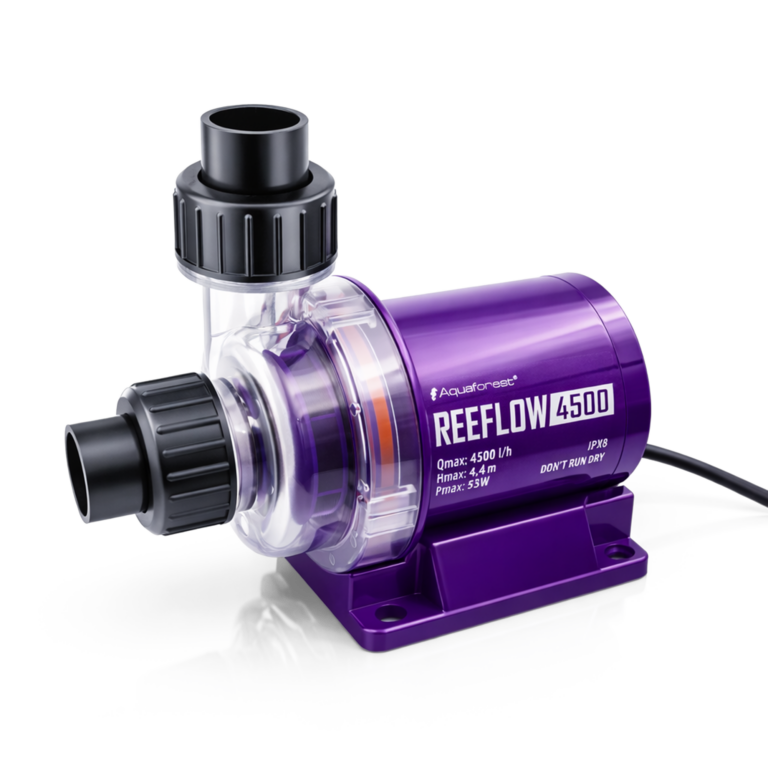
In addition, it is worth ensuring proper water oxygenation during this period. Higher temperatures and more intensive organic decomposition increase oxygen demand. Aerators, fountains, or efficient external pumps help maintain suitable conditions for fish and microorganisms and support stable aeration throughout the warmest months.
If you use a UV lamp, it should be operated carefully. UV radiation helps control filamentous algae and bacterial cloudiness, but excessive use may reduce beneficial microorganisms, so it is best used periodically or only when problems become apparent.
When moving aquatic plants or trimming leaves, remember to expose plants to sunlight gradually. Sudden relocation of shade-grown specimens into full sunlight may cause damage. Remove dead plant parts and collect excess floating organic matter to reduce sources of nitrogen and phosphorus.
If you plan to feed fish, reduce portions and feeding frequency when the water becomes cooler, as fish metabolism slows down and overfeeding leads to increased pollution.
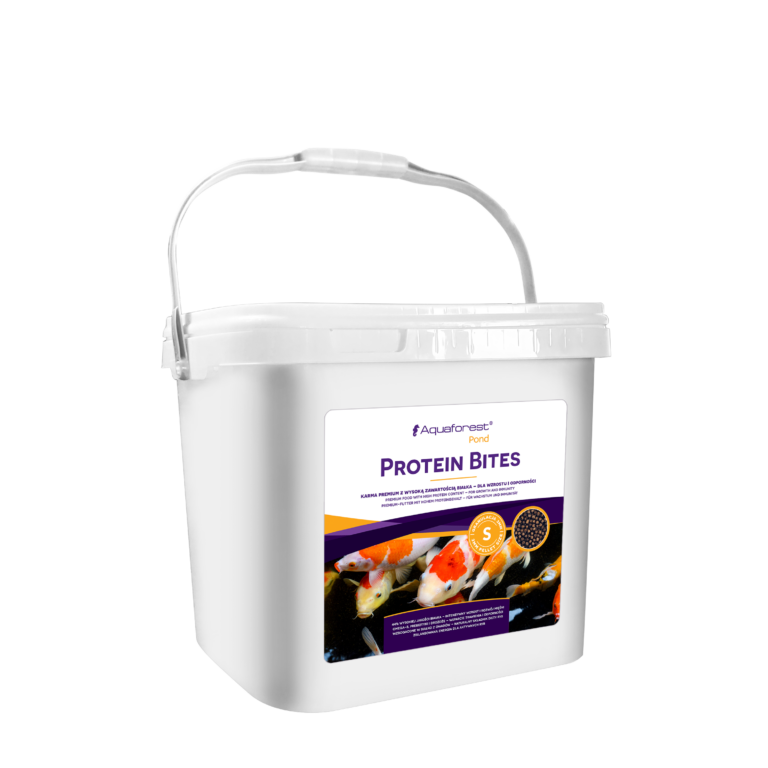
Koi carp, on the other hand, due to their high activity level and energy requirements, benefit from being fed Aquaforest Protein Bites, a protein-rich food designed for periods of intensive growth.
Autumn, 15–8°C: Biological Slowdown #
Autumn is the time when a garden pond gradually prepares for winter dormancy. As temperatures fall, fish become less active, and filtration bacteria begin to work more slowly. Biological processes do not stop immediately, but with each colder week they clearly lose intensity.
This is also the period when the greatest amount of organic matter enters the water. Falling leaves, dying plant material, and leftover food can settle on the bottom, increasing the biological load of the pond. If they remain there throughout winter, they will slowly decompose and may worsen water quality while contributing to the formation of undesirable compounds.
Preparing the Pond for Winter #
For this reason, the most important task in autumn is preparing the pond before low temperatures arrive. It is worth regularly removing leaves and dead plant material, reducing the amount of bottom sediment, and ensuring good water quality before winter.
The specialized biological preparation Aquaforest Bio Vacuum helps break down accumulated organic matter. Aquaforest Zeolith reduces ammonia levels, while Aquaforest Carbon supports the removal of toxins and improves water clarity. During this period, Aquaforest Phosphate Minus, designed for ponds, can also be used to lower phosphate levels before winter. This is important because regular use of this product helps prevent algae growth at the start of the following season.
Gradually Reducing Feeding #
As temperatures decrease, fish feeding should be gradually reduced, which is an important element of maintaining a pond according to the Aquaforest method. Reducing the amount of food prevents leftovers from accumulating and avoids excessive strain on water parameters.
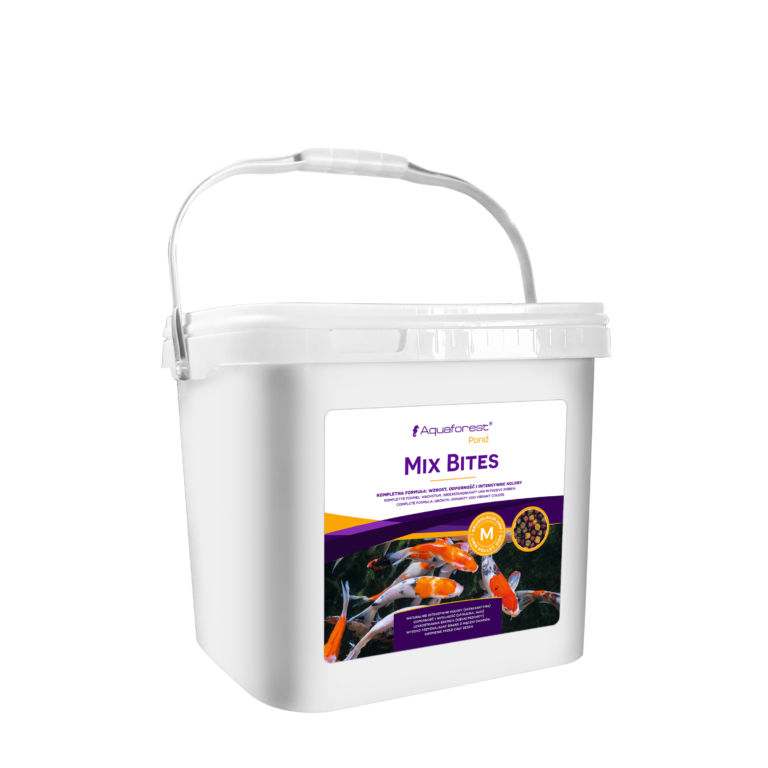
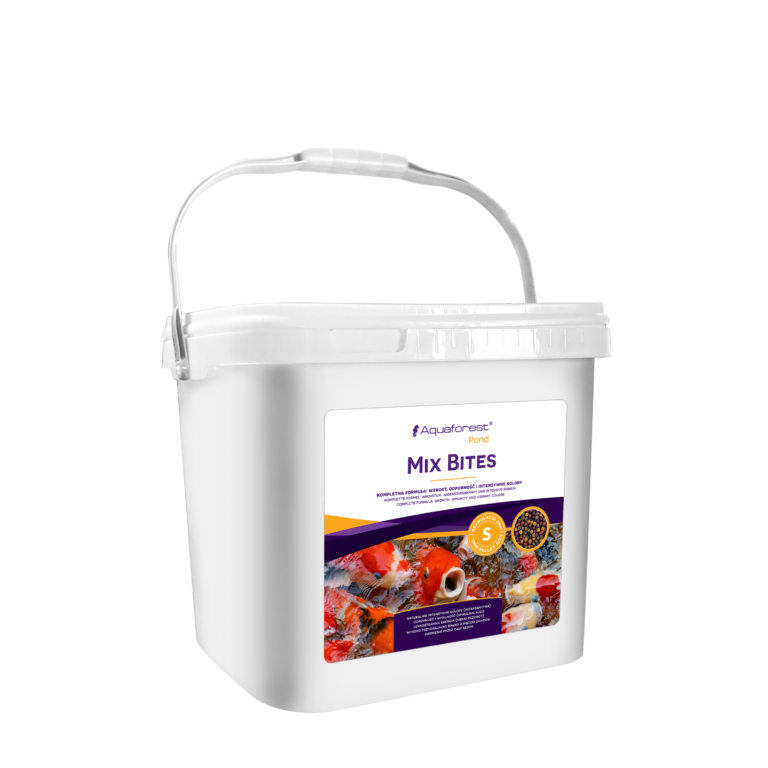
Fish metabolism slows down during colder months, which means they require less energy and tolerate easily digestible foods much better, especially foods formulated for lower activity levels, such as Aquaforest Mix Bites.
Using this type of food helps prevent uneaten particles from remaining in the pond, where they could decompose and cause spikes in ammonia or nitrite levels. At the same time, regular but smaller portions help maintain the fish’s well-being and overall condition.
As part of the Aquaforest method, it is also worth monitoring water temperature and quality and gradually reducing feeding as temperatures continue to drop. In very low temperatures, feeding should be reduced to a minimum or stopped altogether to ensure safe wintering conditions for pond inhabitants.
Year-Round Pond Care – Key Principles #
The Most Important Seasonal Actions for a Healthy Pond #
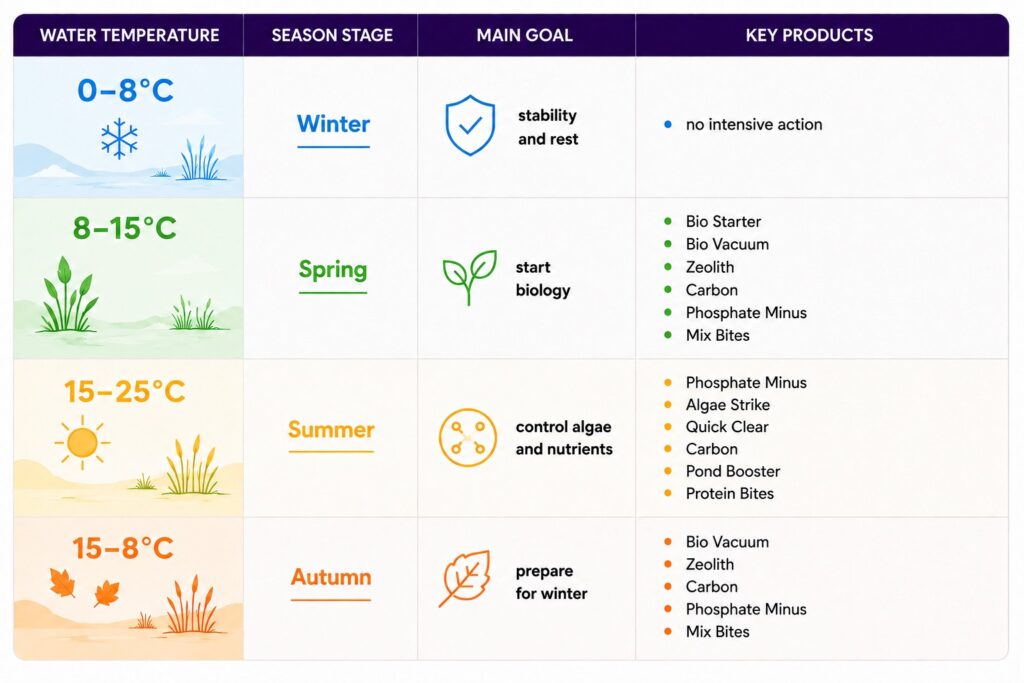
Maintaining a garden pond throughout the year is primarily based on observing water temperature and adapting actions to the current stage of the pond’s life cycle.
- Winter – stability and minimal intervention are the priorities.
- Spring – rebuilding biological activity after the dormant period.
- Summer – controlling nutrients and maintaining water clarity.
- Autumn – reducing organic matter and preparing the pond for winter.
This approach allows you to intervene when the pond actually requires it, rather than reacting only after problems have already become visible. Regular testing of water parameters, proper fish feeding, sediment removal, and supporting biological filtration help maintain balance in the pond and ensure its stable operation throughout the year.
Pond maintenance becomes simpler when it is assessed through the lens of water temperature — it indicates when the pond should be left undisturbed, when biological processes should be initiated, when to focus on algae control, and when to begin preparations for winter.
The Aquaforest POND Method makes it easier to select the appropriate actions and products for each of these stages, allowing the pond to operate stably throughout the year.